


-

Add: HeBei ShengShi HongBang Cellulose Technology CO.,LTD.
-

Email
13180486930@163.com -

CONTACT US
+86 13180486930
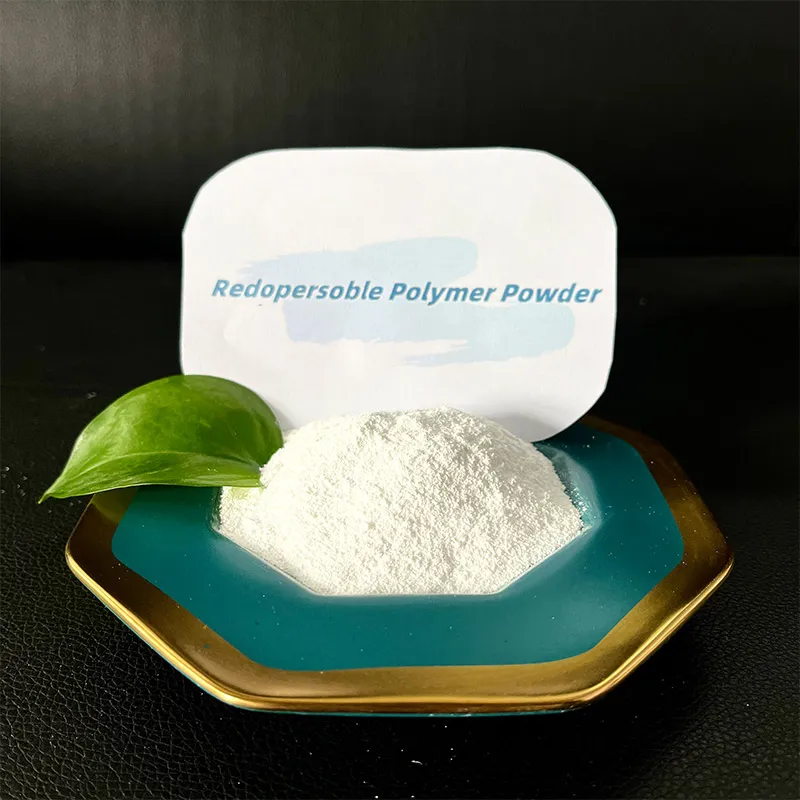
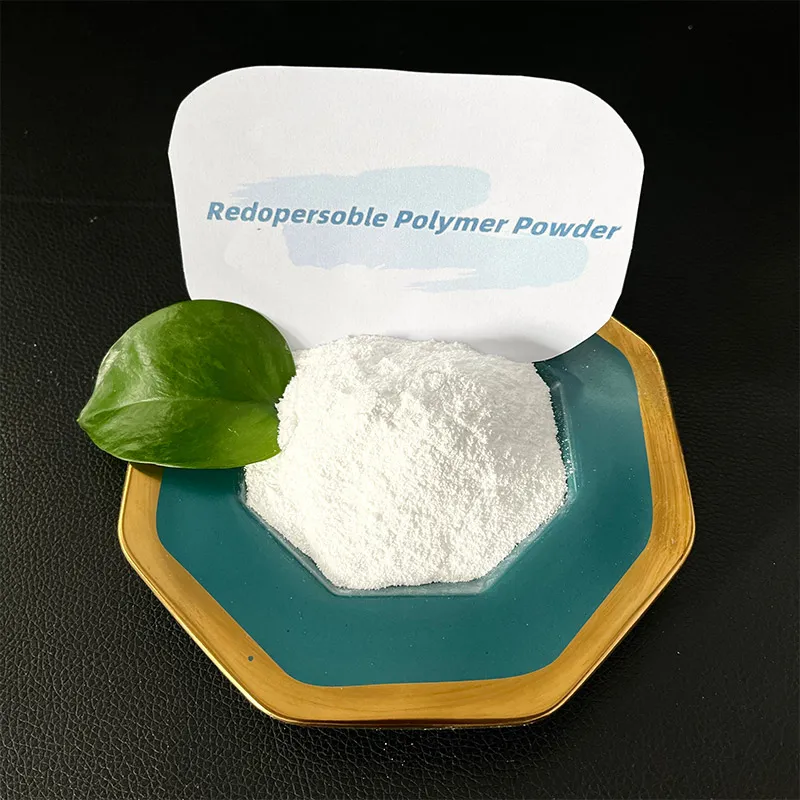
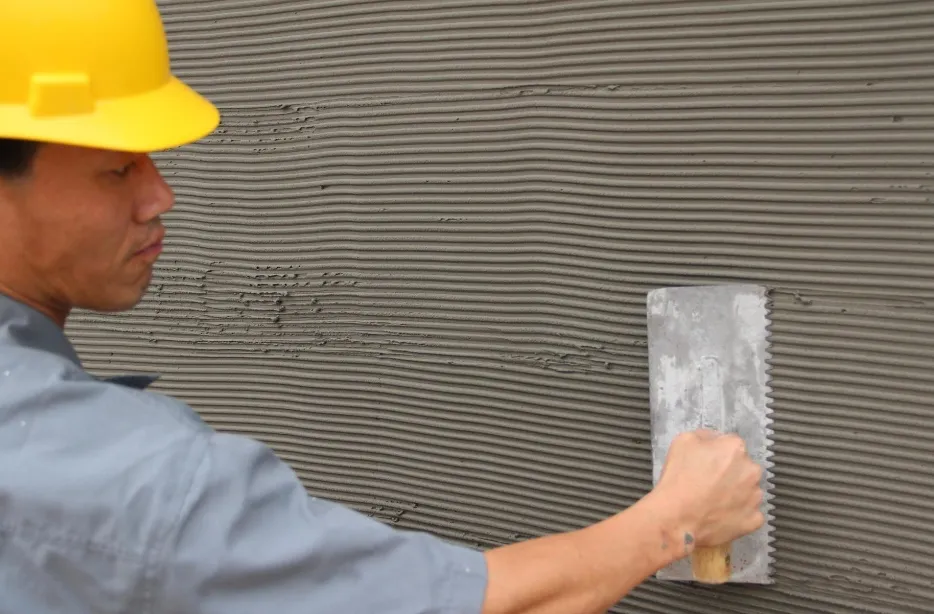


Polimer Un Taği Zamonaviy Texnologiyalar va Qishloq Xo‘jaligida Qo‘llanilishi Polimer un taği, zamonaviy materiallar muhitida muhim o‘rin tutadi. U polimerlarning mikroskopik qismlaridan tashkil topgan bo‘lib, ko‘plab sohalarda qo‘llaniladi, ayniqsa qishloq xo‘jaligida. Ushbu maqolada polimer un tağinin nimadan iboratligi, uning xususiyatlari va afzalliklari haqida so‘z yuritamiz. Polimer un taği, asosan, plastik materiallardan yaratiladi. Un taği sifatida qo‘llanilishidan maqsad, qishloq xo‘jaligida tuproqni yaxshilash, o‘simliklarni himoya qilish va yig‘im-terim jarayonlarini soddalashtirishdir. Bu materiallar nafaqat o‘simliklar uchun ozuqa manbai bo‘lib xizmat qiladi, balki tuproqning fizik va kimyoviy xususiyatlarini ham yaxshilaydi. . Bundan tashqari, polimer un taği tuproqni mahkamlaydi va uning strukturaviy yaxlitligini ta’minlaydi. Bu, o‘simliklarning ildiz tizimining yanada yaxshi rivojlanishiga yordam beradi. Tuproqning tuzilishi yaxshi bera olishi va havo almashinuvi yaxshi bo‘lishi natijasida, o‘simliklar sog‘lom va kuchli bo‘lib o‘sadi. полимер ұнтағы Polimer un taği, shuningdek, tuproqning kimyoviy xususiyatlarini yaxshilashda ham muhim rol o‘ynaydi. U tuproqdagi minerallarni va boshqa oziq moddalarni eng qiyin sharoitlarda ham saqlab qolish imkonini beradi. Natijada, o‘simliklar uchun zarur bo‘lgan ozuqa moddalarining samarali singishi ta’minlanadi. Qishloq xo‘jaligi sohasida polimer un tağini qo‘llash nafaqat o‘simliklarning samarali o‘sishini ta’minlaydi, balki bu jarayonni iqtisodiy jihatdan ham foydali qiladi. O‘simliklar yuqori hosil berishiga olib kelishi, fermerlar uchun moliyaviy jihatdan foydali bo‘ladi. Shuningdek, bu usul qishloq xo‘jaligida resurslarni tejashga yordam beradi, chunki suv va yeyish quvvatlari ancha samarali ishlatiladi. Shuni ta’kidlash kerakki, polimer un tağinin iste'moli va ishlatilishi ekologik jihatdan ham xavfsizdir. Tobora ko‘proq fermerlar va agronomlar bu materialni tanlaydilar, chunki u tuproqning ekotizimini buzmaydi va tabiatga zarar yetkazmaydi. Demak, polimer un taği nafaqat odamlar uchun, balki atrof-muhit uchun ham foydali materialdir. Xulosa qilib aytganda, polimer un taği zamonaviy qishloq xo‘jaligida juda muhim va foydali materialdir. Uning suvni ushlab turish, tuproqni yaxshilash va o‘simliklar hosilini oshirishdagi o‘rni har bir fermer va agronom uchun ahamiyatlidir. Polimer un tağini qo‘llash orqali qishloq xo‘jaligida samaradorlikni oshirish, istiqbolli kelajakni yaratish mumkin.
- 40000tons

Production
- 20+years

Experience
- 5000+㎡

Acreage

-
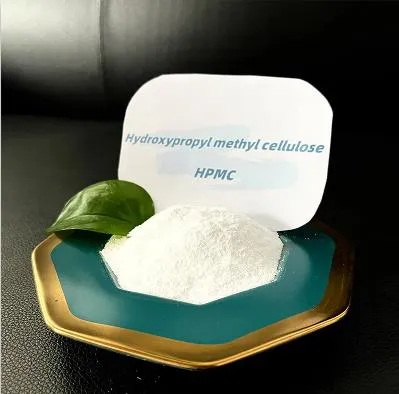
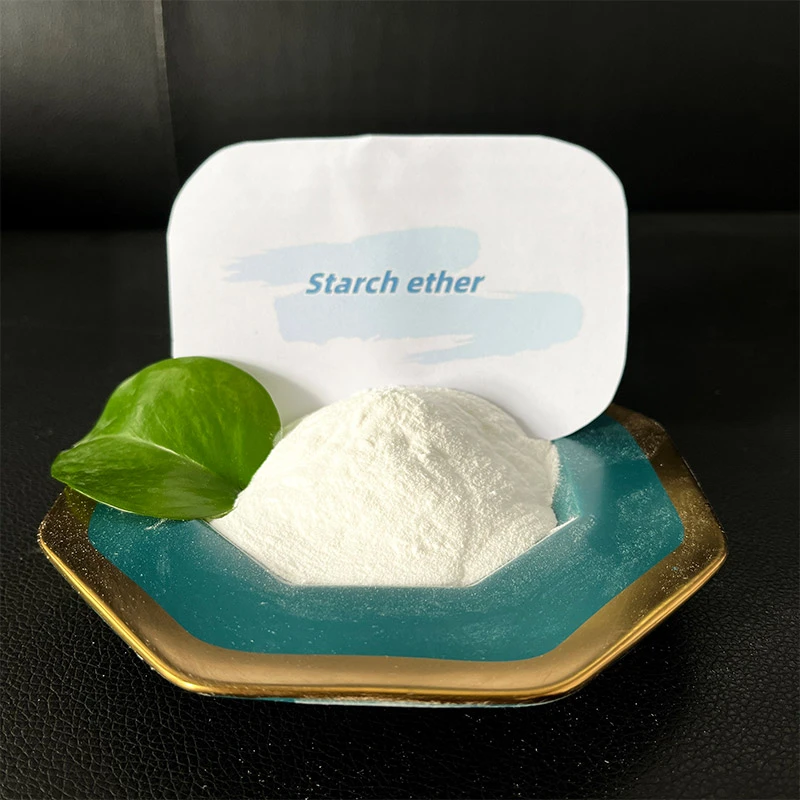
Advancements in Starch Ether Technology: Innovation in Material Science Starch ether , a refined white powder derived from natural plant sources, undergoes a sophisticated process of modification characterized by substantial etherification reactions, followed by a technique known as spray drying. At HeBei ShengShi HongBang, we've pioneered advanced manufacturing techniques to produce high-purity starch ether compounds with exceptional consistency and performance characteristics. Our starch ether solutions meet rigorous international standards across multiple industries. "Modern construction chemistry relies heavily on specialty additives like starch ether to achieve required performance parameters. The controlled modification of starch molecules significantly improves water retention, workability, and application properties in cementitious systems." - Journal of Construction Chemistry Explore Our Starch Ether Solutions Technical Parameters of Starch Ether Comprehensive Technical Specifications Parameter Standard Range Test Method Significance Viscosity (2% solution) 100-10,000 mPa·s Brookfield LVF Determines thickening efficiency pH Value 5.5-7.5 DIN EN ISO 787-9 Chemical compatibility indicator Moisture Content ≤ 8% Karl Fischer Storage stability & shelf life Degree of Substitution (DS) 0.02-0.10 Titration Method Functional group quantification Ash Content ≤ 1% DIN EN ISO 3451 Purity measurement Granulation (200 mesh) ≥ 95% Sieve Analysis Solubility and dispersion Bulk Density 450-550 g/l ASTM D1895 Dosage and handling Industry Applications of Starch Ether Construction Materials Starch ether serves as a multifunctional additive in tile adhesives, cement renders, and self-leveling compounds. Our specialized products enhance water retention, prolong open time, and improve sag resistance. Pharmaceutical Excipients In tablet formulations, starch ether functions as a superior binder-disintegrant combination. Medical-grade etherified starch enhances dissolution profiles while maintaining excellent compression characteristics. Food Processing Food-grade modified starch acts as a thickener, stabilizer, and texture modifier. Our specialized products are certified for applications in sauces, dressings, and frozen food preparations. Paper Manufacturing As a coating binder and surface sizing agent, starch ether improves paper strength, printability, and surface characteristics while reducing dusting during converting operations. Textile Processing In textile printing, our specialized starch ether serves as efficient thickeners that provide excellent color yield, sharpness of print, and easy washability. Oil Field Applications High-performance drilling fluid additives based on starch ether offer excellent fluid loss control at elevated temperatures while maintaining environmental compatibility. Starch Ether Advantages ? Sustainable Origin Derived from annually renewable starch resources, our products support sustainable material cycles. Life cycle assessments confirm the ecological advantages of starch-based chemicals versus petroleum alternatives. ? Water Retention Our patented starch ether chemistry achieves up to 30% higher water retention efficiency in construction materials compared to conventional cellulose ethers, improving hydration control in cementitious systems. ? Compatibility Enhancement Through specialized modification processes, we've developed starch ether products that demonstrate improved compatibility with modern additives including PCE superplasticizers and redispersible polymer powders. ⚖️ Cost Efficiency At equivalent performance levels, starch ether additives deliver significant formulation cost advantages while often improving application characteristics in multiple materials systems. Technical FAQs About Starch Ether What is the mechanism behind starch ether's water retention properties? Starch ether molecules undergo hydration that causes molecular chain expansion, creating a network that physically traps water through hydrogen bonding. The substitution pattern determines hydrophilic character and solution behavior. Studies show properly modified starches can hold water molecules even under mechanical pressure and low humidity conditions. How do starch ethers compare to cellulose ethers in construction applications? While both modify rheology, starch-based alternatives offer superior economics at comparable technical performance. Our research indicates specific advantages including faster dissolution, enhanced electrolyte tolerance, and different molecular weight distributions that complement cellulose derivatives. Many formulators blend both polymer types to optimize cost-performance ratios. What are the critical manufacturing parameters for consistent starch ether quality? Three parameters dominate: 1) Etherification efficiency (reaction kinetics and DS control), 2) Granulation technology achieving uniform particle size distribution, and 3) Thermal history optimization during drying phases. At HeBei ShengShi HongBang, we utilize continuous production monitoring with AI-driven process control that maintains quality variance below 0.5% over production batches. Can starch ether be used in formulations requiring thermal stability? Through specific chemical modification pathways, we produce thermal-stable grades that maintain functionality up to 90°C for extended periods. These specialty products are engineered through molecular structure optimization that reduces thermal degradation pathways. Third-party testing confirms retention of over 85% initial viscosity after 24 hours at 85°C. How is substitution degree (DS) measured, and what values are optimal? DS is quantified through both wet chemical titration and NMR techniques. For construction applications, optimal values range between 0.04-0.07 DS. Higher substitution increases solubility but may negatively impact thickening efficiency. We offer specialized testing services to match DS profiles to specific application requirements. What packaging options are available to prevent moisture degradation? We utilize triple-layer laminated sacks with polyethylene barriers offering less than 2g/m²/24h moisture transmission rates. Bulk silo systems are also available for high-volume users, featuring inert gas blanketing and humidity-controlled discharge systems to maintain optimal powder flow characteristics while preventing moisture absorption. How does starch ether impact environmental compliance profiles? Starch-based derivatives inherently offer environmental advantages including biodegradability (>95% OECD 301B), renewable resource origin, and low ecotoxicity. Our lifecycle assessments show carbon footprints reduced by 35-50% versus petrochemically derived alternatives. All products meet REACH and TSCA regulatory requirements. Industry Recognitions & References International Journal of Material Science: "Advanced Modification Techniques for Improved Starch Functionality" https://doi.org/10.1016/j.ijms.2022.102456 Construction Chemistry Review: "Novel Applications of Starch Ethers in Modern Building Materials" https://www.conchem-review.org/articles/ccr.11945 European Polymer Journal: "Structural Analysis of Industrially Modified Starch Derivatives" https://doi.org/10.1016/j.eurpolymj.2021.110812 Food Technology Magazine: "Functional Properties of Modified Food Starches in Processed Foods" https://www.ift.org/news-and-publications/food-technology-magazine Industrial Chemistry Research: "Continuous Production Processes for Starch Ether Derivatives" https://pubs.acs.org/doi/10.1021/acs.iecr.1c01234
-
Pentastarch is a frequently utilized colloidal solution that has sparked interest among medical professionals due to its potential as a plasma volume expander. It is a hydroxyethyl starch, distinguished by its unique structure that allows it to play a crucial role in managing hypovolemia—a condition characterized by a decrease in the volume of blood plasma. Throughout its years of utilization in clinical settings, pentastarch has been the subject of extensive research, thereby establishing itself as a prominent topic in the medical community. One standout characteristic of pentastarch is its ability to rapidly restore intravascular volume, which is pivotal in the management of acute blood loss situations. The innovative structure of pentastarch, comprising a high molecular weight polysaccharide, provides it with the necessary properties to enhance oncotic pressure, thereby retaining fluid within the vascular compartment. This makes pentastarch a lifesaving therapy in critical care settings, where timely intervention is essential. However, the administration of pentastarch comes with a set of considerations that require professional expertise for safe and effective use. Its metabolic pathway, primarily through renal excretion, necessitates caution in patients with compromised kidney function. The accumulation of pentastarch in such conditions could lead to adverse effects, highlighting the importance of thorough patient assessment prior to its usage. The expertise of healthcare professionals is crucial in balancing the benefits of expeditious volume expansion against the risks associated with its administration. Moreover, pentastarch’s application is not limited to emergency care; it also finds utility in elective surgical procedures. Pre-surgical administration of pentastarch can stabilize cardiovascular function, minimizing the risk of hypotension during surgery. An authoritative understanding of its effects helps anesthesiologists administer precise dosages, tailored to the individual needs of patients, thus fostering a safer surgical environment and enhancing recovery outcomes. In recent years, studies have brought to light considerations related to its long-term safety profile, spurring debates within the medical community. Concerns about coagulopathy, particularly in prolonged administration scenarios, have been investigated, with findings emphasizing the necessity for controlled use and monitoring. Such concerns accentuate the need for trustworthiness and transparency from manufacturers, ensuring that the latest clinical data is accessible to practitioners worldwide. pentastarch On the matter of trustworthiness, it is imperative that resources regarding pentastarch be derived from reputable scientific literature and guidelines. Manufacturers and healthcare institutions must disseminate information that adheres to the highest standards of clinical evidence. This involves not only sharing positive outcomes but also clearly outlining potential risks and contraindications . For clinicians new to this product, familiarization with the most recent evidence-based protocols is encouraged. Attending workshops, engaging in continuous medical education, and collaborating with experienced colleagues can fortify an understanding of best practices. Establishing a network with peers who have firsthand experience with pentastarch can greatly enhance decision-making processes in clinical applications. Further contributing to its authoritativeness, pentastarch’s role in global health crises has been documented, providing case studies and real-world experiences of its effective use. These case studies serve as a testament to its vital function and the expertise required to deploy it effectively under duress. In conclusion, pentastarch remains a significant tool in the realm of fluid therapy, with its application demanding a balanced blend of experience, expertise, and stringent adherence to authoritative guidelines. As ongoing research continues to illuminate its nuanced applications, medical professionals are tasked with staying informed, ensuring that patient safety and therapeutic efficacy remain at the forefront of its use. Establishing trust through transparent communication and evidence-based practice is the cornerstone of optimizing patient outcomes with pentastarch.
advantages
-

200000 Viscosities
Excellent product
We can produce pure products up to 200,000 viscosities
-

40000 tons
High yield
We don’t stop production all year round, and the annual output can reach 40,000 tons
-

24 hours
Quality service
We provide 24-hours online reception service, welcome to consult at any time
———— Inquiry Form
Schedule A services


-
 isolation_en_cellulose_de_bois
Oct . 25, 2025
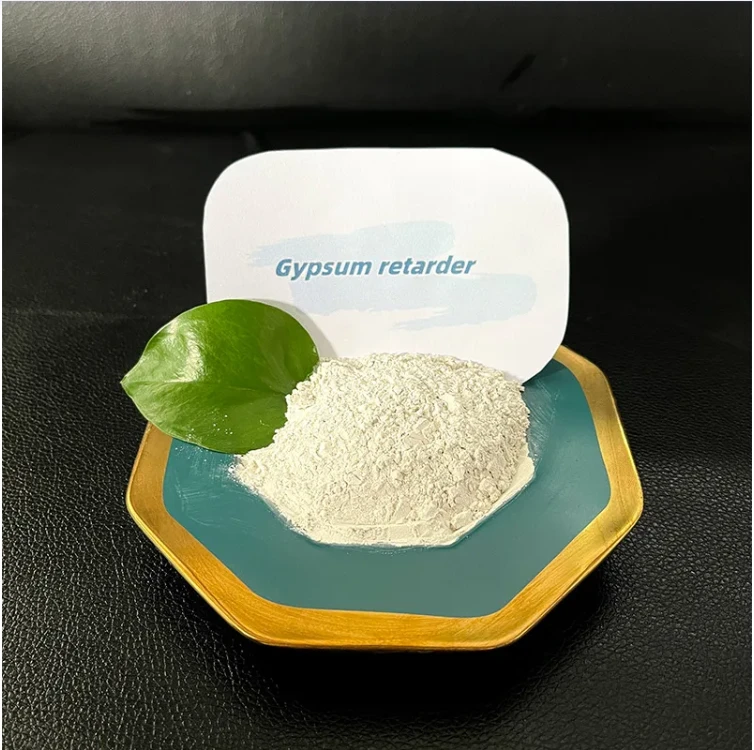
In the world of construction and renovation, the search for the perfect plaster retarder has led man - pati_eter_untuk_konstruksi
Oct . 25, 2025
Hydroxypropyl Methylcellulose, commonly referred to by its INCI name HPMC, is an ingredient widely u -
 bei_ya_methylcellulose
Oct . 25, 2025
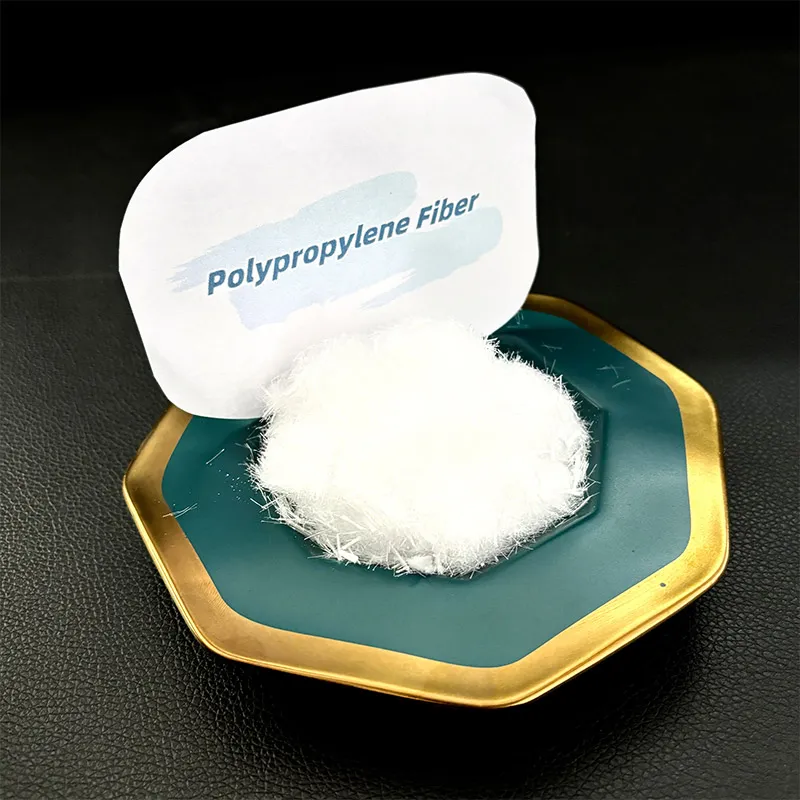
Polypropylene fiber is a versatile, durable material that is used in a variety of applications acros


